Safest Baby Plate Materials: Silicone vs Steel
What is the safest material for baby plates?
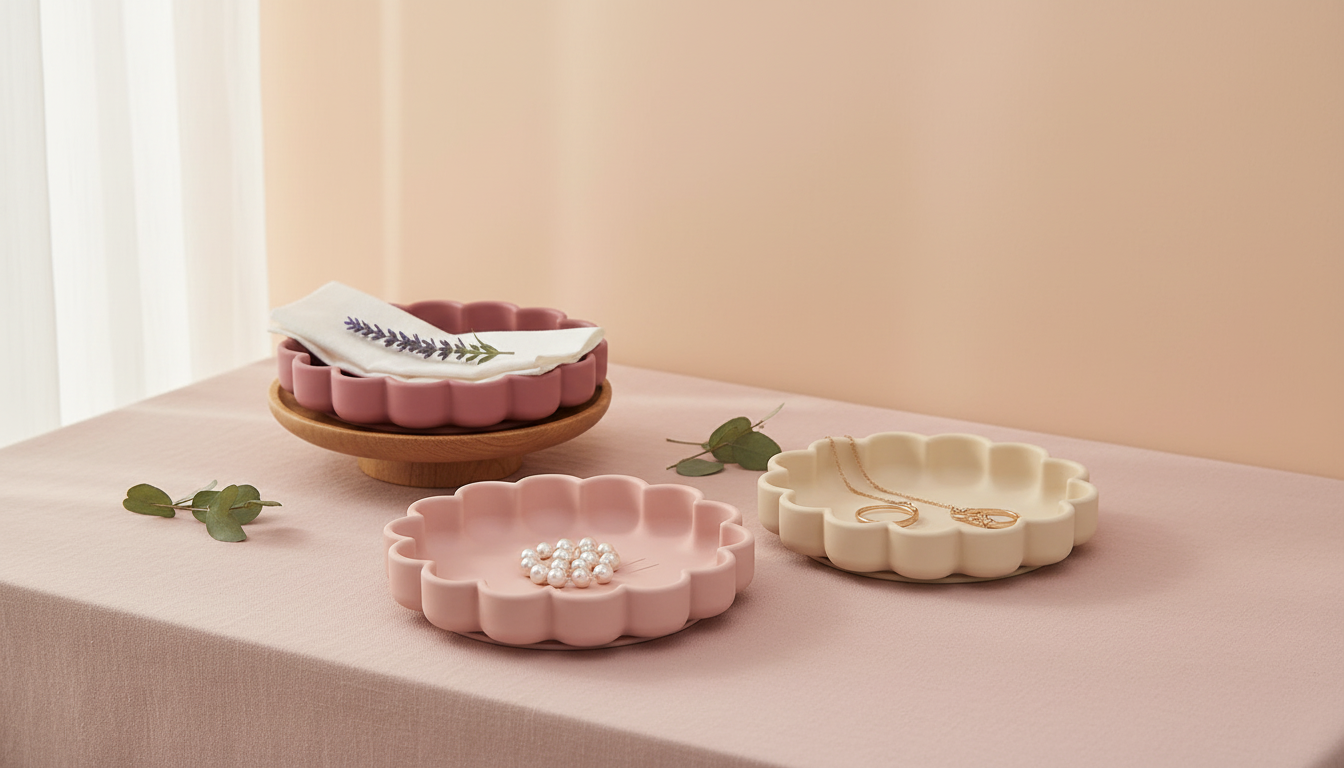
The safest material for baby plates is typically food-grade silicone, especially when it’s made from platinum-cured silicone and clearly labeled BPA-free, BPS-free, PVC-free, and phthalate-free. Silicone is soft on gums, shatter-resistant, and generally stable across hot and cold foods, making it a dependable everyday option for babies and toddlers.
Why food-grade silicone is a top pick
Unlike hard plates that can chip or crack, silicone plates can handle drops without breaking into sharp pieces. Many silicone designs also include suction bases, which helps keep the plate in place and reduces spills. For added confidence, look for reputable testing (such as compliance with FDA food-contact standards or third-party testing claims) and avoid products with strong chemical odors or sticky residues.
Other safe materials to consider
Stainless steel is another very safe choice. It’s durable, doesn’t leach chemicals, and is easy to sanitize. The main trade-off is that stainless steel plates can be noisy and may slide around unless paired with a non-slip mat.
Glass and ceramic can be safe for serving, but they’re not always practical for babies because they can shatter if dropped. If used, reserve them for supervised meals or older toddlers who don’t toss plates.
Bamboo plates are popular, but many are bound with melamine or adhesives that can be less ideal—especially with hot foods. If choosing bamboo, confirm what binders are used and follow temperature guidance closely.
Materials to be cautious with
Plastic varies widely in quality. Even when labeled “BPA-free,” plastics can scratch over time, and those scratches can trap residues. If plastic is used, replace it when it becomes cloudy, warped, or heavily scored.
Melamine is lightweight and tough but isn’t recommended for microwaving and can be a concern with very hot foods. When safety is the priority, silicone or stainless steel are usually better day-to-day options.
For a deeper comparison of materials and what to look for on labels, visit the full guide: https://kidsmoments.shop/what-is-the-safest-material-for-baby-plates/.
FAQ
Can baby plates go in the dishwasher and microwave?
Many food-grade silicone plates are dishwasher-safe and microwave-safe, while stainless steel is dishwasher-safe but not microwave-safe. Always check the manufacturer’s care instructions, especially for suction bases and any mixed-material parts.









Leave a comment