Silicone Cat Lid Sippy Cup: BPA-Free, Easy-Grab Handles
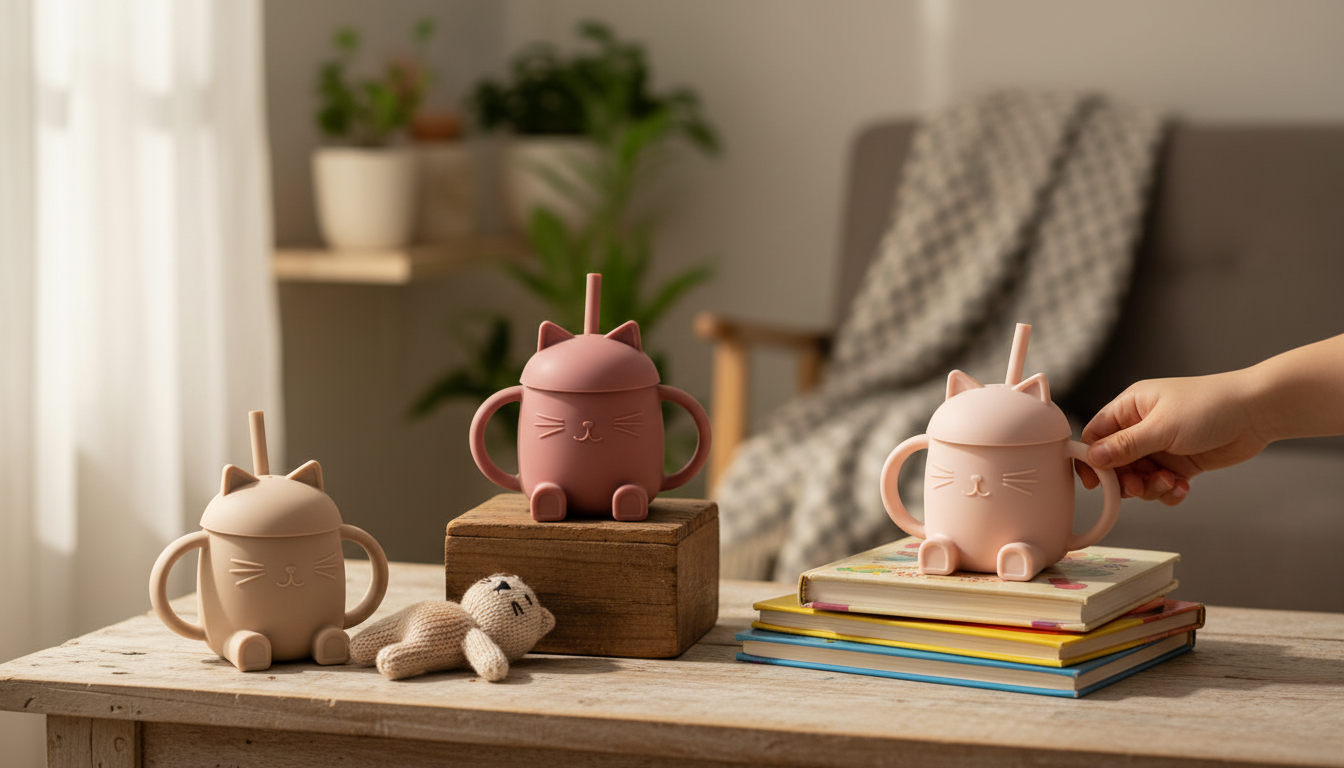
Baby Silicone Cat Lid Sippy Cup with Handles (BPA Free): A Playful First Cup for Independent Sips
A first cup is easier to welcome when it feels friendly, fits small hands, and keeps daily routines moving smoothly at home and on the go. The Baby Silicone Cat Lid Sippy Cup with Handles is designed for toddlers practicing independent drinking, with a soft silicone build that’s comfortable for little mouths and easy to manage for busy caregivers. The cat-shaped lid adds a gentle “fun factor” that can help some kids stay engaged during meals, snacks, and quick sips between activities.
What Makes This Cat Lid Sippy Cup Toddler-Friendly
When toddlers are learning to drink on their own, small design details matter. This style of silicone sippy cup focuses on comfort, grip, and a playful look that can make it easier to introduce a new routine.
- Soft silicone feel that’s gentle on gums and developing teeth, especially during teething-heavy phases.
- Two side handles sized for small hands learning grip, balance, and “lift-and-sip” control.
- Cat-themed lid that can act like a friendly cue—some toddlers are more willing to try a “special cup” at the table.
- BPA-free material for everyday sipping routines and peace of mind around common plastic concerns (see FDA BPA information: FDA: Bisphenol A (BPA)).
- Lightweight and portable for strollers, car seats, and quick transitions between rooms without feeling bulky.
When This Style of Cup Is a Good Fit
Not every toddler takes to the same cup at the same time. This handled, silicone-forward approach can be especially helpful in a few common situations:
- Transition phase: moving from bottle to cup while keeping a familiar, gentle mouth-feel.
- Early self-feeding stage: toddlers who want to participate and insist on “doing it myself” at meals.
- Daycare or travel: a dedicated cup that’s easy to identify, easy to hold, and simple to pack.
- Sensory preferences: children who resist hard spouts or rigid rims and do better with softer materials.
- Routine building: using one recognizable cup for water-at-the-table and a consistent mealtime habit.
For beverage choices and toddler drink guidance, the CDC offers practical recommendations on milk and drinks by age: CDC: Infant and Toddler Nutrition (Drinks and Milk).
Comfort, Safety, and Materials to Look For
A toddler cup should support independence while still being caregiver-friendly. Material choice, cleaning habits, and age readiness all affect how well a cup fits into real life.
- BPA-free construction helps families avoid bisphenol-A exposure from certain food-contact plastics.
- Silicone is commonly chosen for kids’ feeding items because it’s flexible and tends to hold up well to everyday drops and squeezes.
- Smooth mouth-feel can be more comfortable than hard plastic for toddlers who are teething or sensitive to firmer edges.
- Age readiness matters: look for signs like stable sitting, bringing items to the mouth, and interest in self-feeding/drinking.
- Supervision is still important for any toddler drinking cup—especially with milk or juice, which can be messy and may contribute to more frequent tooth exposure.
For helpful background on protecting little teeth and minimizing sugary sipping, see: American Dental Association: Tooth Decay and Children.
Quick Safety and Use Checklist
| Checkpoint | Why it matters | What to do |
|---|---|---|
| Inspect before use | Damaged parts can trap residue or affect performance | Look for tears, cracks, or loose pieces; replace if worn |
| Wash thoroughly | Reduces residue and odor buildup | Clean after each use; focus on lid/spout openings |
| Use age-appropriate liquids | Some drinks can increase mess or tooth exposure | Prioritize water; limit sugary drinks per pediatric guidance |
| Avoid prolonged sipping | Frequent exposure to sugars can affect teeth | Offer drinks with meals; avoid all-day juice/milk sipping |
| Supervise drinking | Toddlers may tip, throw, or chew on lids | Stay nearby, especially during early practice |
Practical Everyday Tips: Less Mess, More Independence
Independence grows faster when a cup is introduced with low-pressure practice and consistent cues. These small adjustments can reduce spills and make the cup feel like part of the normal rhythm of the day.
If your child is in an active teething season, pairing cup practice with a dedicated sensory item can help redirect chewing. Consider the Baby Silicone Teether Toy – BPA Free, Montessori Training & Sensory Activity Toy as a simple add-on for hands-on soothing and skill-building.
Product Details and Where to Get It
The featured cup is a budget-friendly option for building daily hydration habits—use it as a starter cup, a backup travel cup, or a cute gift add-on for toddlers. Find the product here: Baby Silicone Cat Lid Sippy Cup with Handles – BPA Free Toddler Drinking Cup.
At-a-Glance
| Item | Info |
|---|---|
| Name | Baby Silicone Cat Lid Sippy Cup with Handles – BPA Free Toddler Drinking Cup |
| Price | 6.51 USD |
| Availability | In stock |
| Store page | View product |
For families also building stronger routines beyond feeding, this store also carries a practical digital resource: Building a Parent Support System That Works | Ebook Guide for the Best Way to Build Parent Support System.
FAQ
Is a silicone sippy cup safe for toddlers?
Silicone feeding items are widely used for toddlers, and many families prefer them for their softer feel. Choose BPA-free products, inspect the cup for wear, clean it thoroughly after each use, and supervise drinking—especially during early practice.
When should a toddler start using a sippy cup with handles?
Many toddlers try handled cups around the bottle-to-cup transition, but readiness varies. Signs can include sitting well, bringing items to the mouth, and showing interest in self-feeding; follow your pediatric guidance for timing that fits your child.
How should the cup be cleaned to prevent odors and buildup?
Wash the cup after each use with warm soapy water, paying close attention to the lid and any openings where residue can collect. Rinse thoroughly and let all parts dry completely; always follow the manufacturer’s care instructions when available.









Leave a comment