When Kids Get Frustrated: Calm Tools That Build Confidence
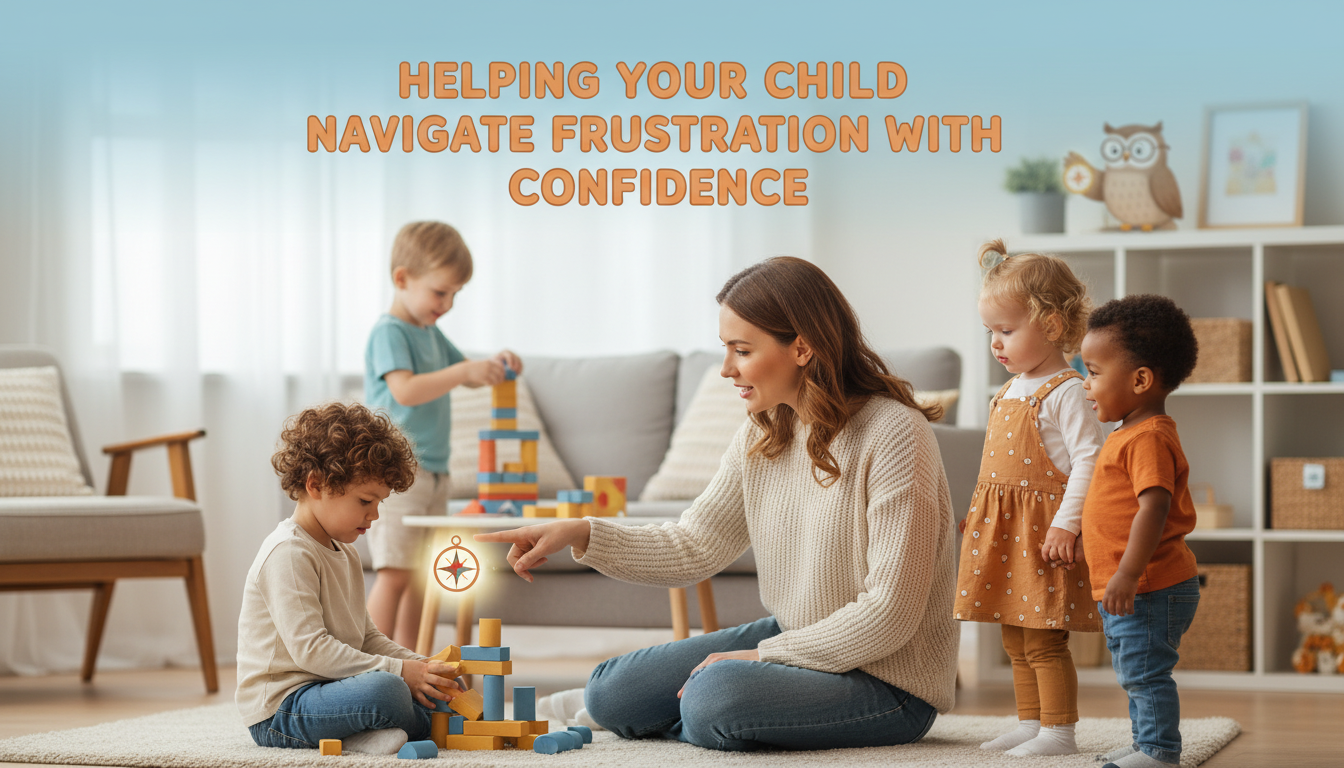
Helping Your Child Navigate Frustration with Confidence
Frequent frustration can look like tears, yelling, quitting, or getting stuck on “I can’t.” With steady support, kids can learn to notice early body signals, name what’s happening, and use simple calming tools that make hard moments feel manageable—at home, at school, and during play. The goal isn’t to eliminate frustration; it’s to help your child move through it with safety, skills, and growing confidence.
Why Some Kids Get Frustrated So Fast
Fast frustration is often a mix of big feelings and developing skills. Self-control, flexible thinking, and impulse inhibition are still under construction in early childhood and keep maturing through adolescence. When a task feels intense, the “thinking brain” can go offline, and the “reacting brain” takes over.
- Common triggers: transitions, fatigue, hunger, sensory overload, unclear expectations, perfectionism, and tasks that feel too hard (or oddly, too easy and boring).
- Hidden emotions under frustration: embarrassment, worry about mistakes, disappointment, or feeling misunderstood.
- Order of operations matters: when frustration escalates quickly, focus on safety and regulation first; problem-solving comes later.
Spot the Early Warning Signs (Before the Blow-Up)
Most kids give signals before the storm—learning them helps you step in earlier, when tools actually work.
- Body cues: tight jaw, clenched fists, fast breathing, “stomp” walking, loud voice, or sudden silliness.
- Thinking cues: all-or-nothing statements (“never,” “always”), catastrophizing (“It’s ruined!”), or refusal to try.
- Behavior cues: ripping paper, throwing objects, rushing, quitting, or demanding immediate help.
Try creating a shared frustration scale from 1–5. A “2” might mean “annoyed,” a “4” might mean “about to yell.” This gives your child a quick way to communicate intensity without needing many words.
Calm First: Quick Regulation Tools That Work in the Moment
When your child is spiking, think: “less talk, more calm.” Regulation is contagious—kids borrow adult calm.
- Co-regulate: soften your voice, lower your body level, and use fewer words.
- Name it to tame it: “That’s really frustrating—your tower keeps falling.”
- Offer two small choices: “Do you want a sip of water or a hug?” Choice restores a sense of control.
- Breathing reset: inhale 3, exhale 4, repeat three times; add a hand-on-belly cue.
- Ground through senses: for older kids, “Find 5 things you see, 4 you feel, 3 you hear…” For younger kids: “eyes-find, hands-hold.”
If safety is an issue, calmly create space and move breakables. Keep boundaries clear and steady: “I won’t let you throw. You can stomp here.”
What to Say (and What to Avoid) During a Frustration Spike
Words land differently when a child is flooded. Short, steady, specific phrases tend to help most.
- Helpful phrases: “This is hard, and you’re not alone.” “Let’s take one tiny step.” “Mistakes help brains grow.” “Show me with your hands what you need.”
- What to avoid: “Calm down,” “It’s not a big deal,” “You’re fine,” or long lectures in the moment.
Use a simple script that stays the same every time: Validate → Boundary (if needed) → Next step. For example: “I see you’re mad. Hitting isn’t safe. Let’s squeeze the pillow and try again.”
If perfectionism is fueling frustration, praise the process: “You kept trying different pieces,” rather than only the result.
Build Frustration Tolerance Over Time (Practice Outside the Moment)
The biggest gains come from tiny reps when your child is already calm. Aim for practice that feels doable, not like another demand.
Calm Strategies by Situation and Age
Toddlers and preschoolers
Elementary age
Tweens and teens
Schoolwork and homework
| Situation | Tool to try | When to use | Why it helps |
|---|---|---|---|
| Homework feels impossible | Break into 3-minute chunks + 2-minute movement break | At the first signs of quitting or complaining | Lowers overwhelm and restores focus through body regulation |
| Sibling conflict | “Stop, Space, Speak” (separate, breathe, then use one sentence) | Before discussing fairness or consequences | Prevents escalation and supports safer communication |
| Perfectionism during drawing/building | “Good enough” goal + show two imperfect examples | When erasing/redoing repeatedly | Builds flexibility and reduces fear of mistakes |
| Transitions (leaving, bedtime, cleanup) | 2-minute warning + choice + visual checklist | 5 minutes before the change | Predictability reduces stress and increases cooperation |
| Public frustration (store, playground) | Quiet corner + sensory item + short script | When volume rises or tears start | Protects dignity and supports fast co-regulation |
After the Storm: Repair, Reflect, and Teach
For additional guidance on children’s social-emotional development and stress, see resources from HealthyChildren.org (American Academy of Pediatrics), the CDC, and the American Psychological Association.
A Gentle Guide for Parents Who Want a Clear Plan
- Helping Your Child Navigate Frustration with Confidence (Parenting eBook)
- Building a Parent Support System That Works
- Baby Silicone Teether Toy – BPA Free, Montessori Training & Sensory Activity Toy
FAQ
How can a parent respond when a child gets frustrated and starts yelling or throwing things?
Start with safety and co-regulation: use fewer words, keep your voice calm, and set a clear boundary like “I won’t let you throw.” Offer a replacement action (stomp, squeeze a pillow, tear scrap paper), then return to problem-solving after your child is calmer.
What if calming strategies don’t work in the moment?
Assume your child is over their threshold. Reduce demands, increase space, and repeat one consistent routine without adding new instructions. Later, practice the same tools when calm and start earlier next time by watching for the first warning signs.
How do you teach emotional regulation to kids without long talks?
Use short scripts, visual cues, and daily micro-practice. Name feelings out loud, practice one breathing pattern for 30 seconds, and role-play a quick “try again” moment during calm times so the skill is ready when it’s needed.








Leave a comment