5-Piece Silicone Fruit Feeder Set (With Covers) Guide
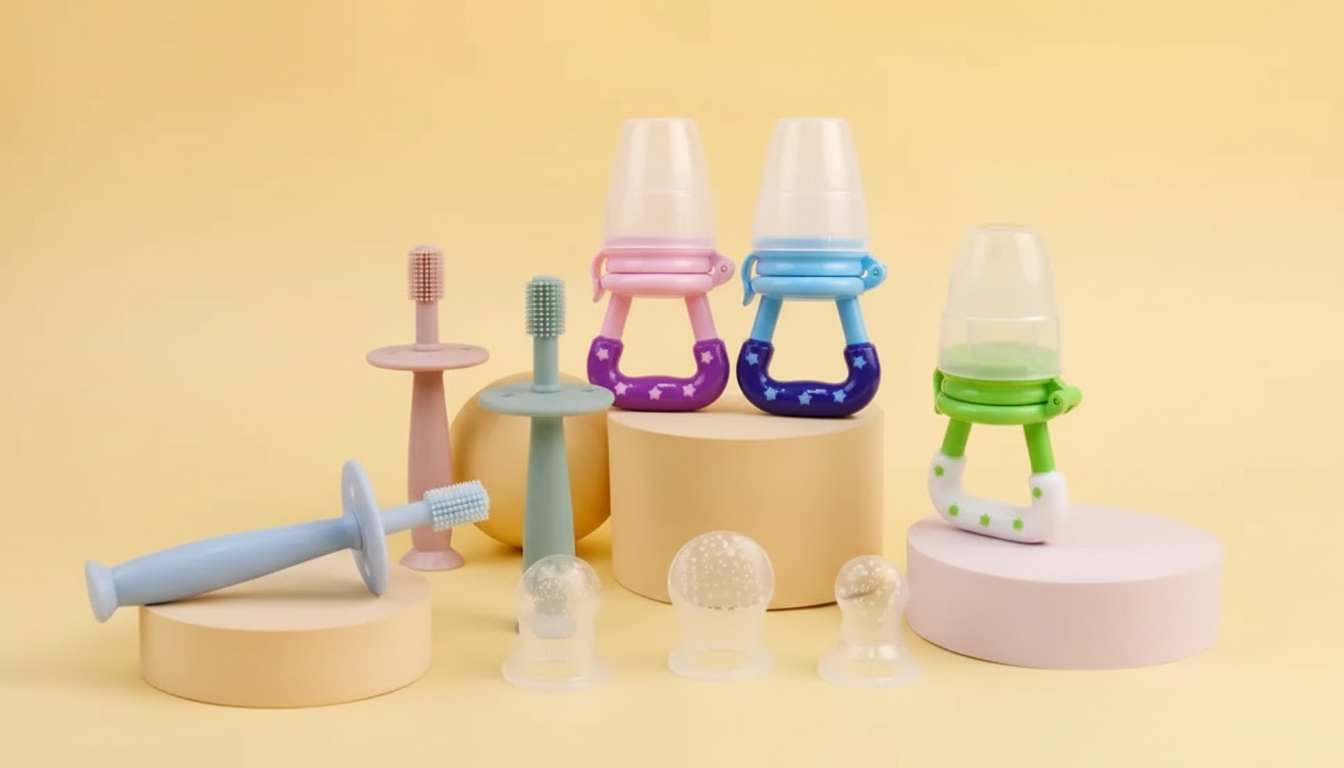
5pcs Silicone Baby Fruit Feeder Set with Cover: Safer First Tastes and Easy Cleaning
A silicone fruit feeder helps babies explore new flavors with less mess and fewer choking worries by keeping soft foods inside a perforated pouch. This 5-piece set with protective covers is designed for everyday use—at home, in the diaper bag, or on the go—while supporting early self-feeding skills.
What a silicone fruit feeder does
A fruit feeder is a small, handheld tool that lets baby taste soft foods through tiny openings, rather than biting off chunks. It’s especially handy during the transition to solids and during teething, when babies want to chew and explore.
- Holds soft foods (fruit, steamed veggies, yogurt frozen drops) behind small openings so baby can suck and gum safely.
- Helps introduce new tastes gradually, especially during early solids and teething phases.
- Reduces large chunks entering the mouth compared with handing over a slippery piece of fruit.
- Encourages hand-to-mouth coordination and early self-feeding habits.
For guidance on when babies are typically ready for solids and how to offer them safely, see the CDC’s introduction to solid foods and HealthyChildren.org (American Academy of Pediatrics) on starting solids.
What’s included in the 5-piece set with covers
Having multiple feeders sounds simple, but it can make a daily routine smoother—especially when one is in the wash and another is chilling in the fridge. Covers add a practical hygiene layer for travel and daycare bags.
- Multiple feeders to rotate through the day (one in use, one cooling, one in the wash).
- Protective covers to keep the pouch clean in a bag or stroller cup holder.
- A simple, baby-friendly handle shape for gripping.
- A practical option for households that prefer to separate “sweet” foods (fruit) from savory foods (veg/protein) using different feeders.
| Feeder in rotation | Best use | Why it helps |
|---|---|---|
| 1 | Fresh soft fruit (banana, ripe pear) | Easy daily introduction and quick cleanup |
| 2 | Frozen breast milk/formula pops | Soothes gums during teething |
| 3 | Steamed veggies (carrot, sweet potato) | Supports savory flavor exposure |
| 4 | Berry mash (strawberry/blueberry) | Mess control compared with loose berries |
| 5 | Travel backup | Keeps routines consistent outside the home |
How to use it safely (step-by-step)
A feeder is a helper, not a substitute for supervision. Treat it like any feeding tool: keep baby upright, use appropriate foods, and check the parts each time.
- Wash all parts before first use; confirm the pouch is seated securely and the cover fits properly.
- Start with very soft foods that mash easily between fingers; avoid hard raw pieces and sticky, thick globs that don’t break down.
- Fill small at first to reduce pressure and leaks; close according to the product’s locking mechanism.
- Always supervise feeding; keep baby upright and calm (not in a car seat while the vehicle is moving).
- Inspect the pouch holes and seams before each use; replace if torn, stretched, or damaged.
- Offer short sessions, especially when introducing acidic fruits that may irritate sensitive skin.
To lower foodborne illness risks, follow basic handling steps like clean hands, clean surfaces, and safe storage times; the FDA’s food safety tips for parents and caregivers are a helpful refresher.
Best foods to try (and what to skip)
The best feeder foods are soft, ripe, and easy to break down. Think “mashable,” not “crunchy,” and start with small amounts to see how your baby handles the flavor and temperature.
- Great starters: ripe banana, avocado, ripe peach/pear, steamed apple slices, steamed carrot, steamed zucchini.
- For teething comfort: frozen mango strips (very ripe), frozen breast milk/formula cubes, chilled cucumber (peeled and softened).
- Mess-friendly berries: use mashed berries or very ripe berries; consider a quick rinse to reduce staining.
- Skip or use caution: hard raw apples/carrots, nuts, whole grapes, thick nut butter clumps, marshmallow-like sticky foods, or anything baby’s pediatrician advises against.
- Introduce allergens following pediatric guidance; a feeder can help with texture but doesn’t replace safe introduction practices.
Cleaning and care for silicone feeders
Silicone cleans up well, but the tiny perforations can trap residue if food dries inside. A quick rinse right after feeding saves time later and helps prevent lingering smells.
Why a covered set is useful for routines and travel
For teething days when baby wants something to chomp on between tastes, pair a feeder routine with a dedicated sensory chew like the Baby Silicone Teether Toy – BPA Free, Montessori Training & Sensory Activity Toy.
Product snapshot: 5pcs Silicone Baby Fruit Feeder Set with Cover
Shop here: 5pcs Silicone Baby Fruit Feeder Set with Cover
| Item | Details |
|---|---|
| Name | 5pcs Silicone Baby Fruit Feeder Set with Cover |
| Price | 4.51 USD |
| Availability | In stock |
| Product page | https://kidsmoments.shop/5pcs-silicone-baby-fruit-feeder-set-with-cover/ |
FAQ
What age can a baby use a fruit feeder?
Many babies can start using a fruit feeder around the same time they begin solids (often around 6 months), as long as they show readiness signs like good head control and the ability to sit with support. Follow your pediatrician’s guidance for timing and appropriate foods.
Can a baby choke on a fruit feeder?
A fruit feeder can reduce choking risk by limiting large pieces from entering the mouth, but it doesn’t eliminate risk. Always supervise, keep baby upright, use only soft foods, and replace the feeder if the pouch is torn or damaged.
How do you clean a silicone fruit feeder to prevent odors?
Rinse immediately after use, wash with warm soapy water, and use a small brush to clear the perforations. Let it dry completely before storing (especially under a cover) to help prevent trapped moisture and smells.









Leave a comment