When a Child Says They Were Hit: What to Do Next
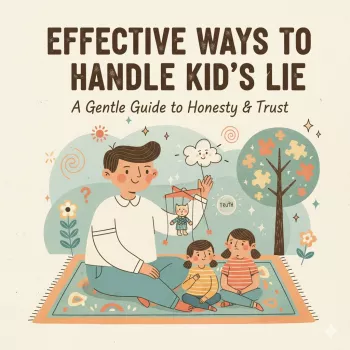
What to do when a child lies about being hit?
Hearing a child say they were hit can trigger alarm—and it should. At the same time, children sometimes exaggerate, misunderstand rough play, or say something untrue to avoid trouble. The safest approach is to treat the claim seriously, respond calmly, and gather clear information before drawing conclusions.
Start with safety and calm
First, make sure everyone is safe and separated if needed. Keep your voice steady and your body language relaxed. Big reactions can make a child shut down or double down on a story to avoid disappointing an adult.
Ask neutral questions (and fewer of them)
Use open-ended, non-leading prompts like: “Tell me what happened from the beginning,” “Where were you?”, and “What did you feel in your body?” Avoid suggestions such as “Did your teacher hit you?” because that can shape the answer. Let pauses happen; kids often fill silence with more accurate details.
Check for injuries and document facts
If the child says there was contact, look for marks, swelling, or soreness. Write down the date, time, exact words used, and who was present. If there are visible injuries or pain, consider a medical check—both for care and for clarity.
Consider development and context
Young children may use “hit” to describe bumping, accidental contact, or being touched in a way they disliked. Older kids may lie to avoid consequences, gain attention, or manage social conflicts. Understanding what the child might be trying to accomplish helps you respond without shaming.
Follow up with other adults without accusing
Contact the school, caregiver, or other parent with a fact-based tone: share what your child reported, ask what they observed, and request incident notes or supervision details. Focus on safety and prevention rather than blame.
Teach honesty while validating feelings
Make it clear that honesty matters even when someone is upset: “I can handle the truth, and it helps keep you safe.” If the story falls apart, address the behavior (lying) without calling the child “a liar,” and reinforce better options: asking for help, naming feelings, and walking away.
For a deeper, step-by-step approach and common scenarios, see the full guide: What to do when a child lies about being hit.
FAQ
How do you respond when a child admits they made it up?
Stay calm, thank them for telling the truth, and ask what they hoped would happen by saying it. Set a clear consequence for the lie, then practice what they can say or do next time to get help without making a false claim.










Leave a comment