Silicone Teething Cube: Montessori Sensory Relief Guide
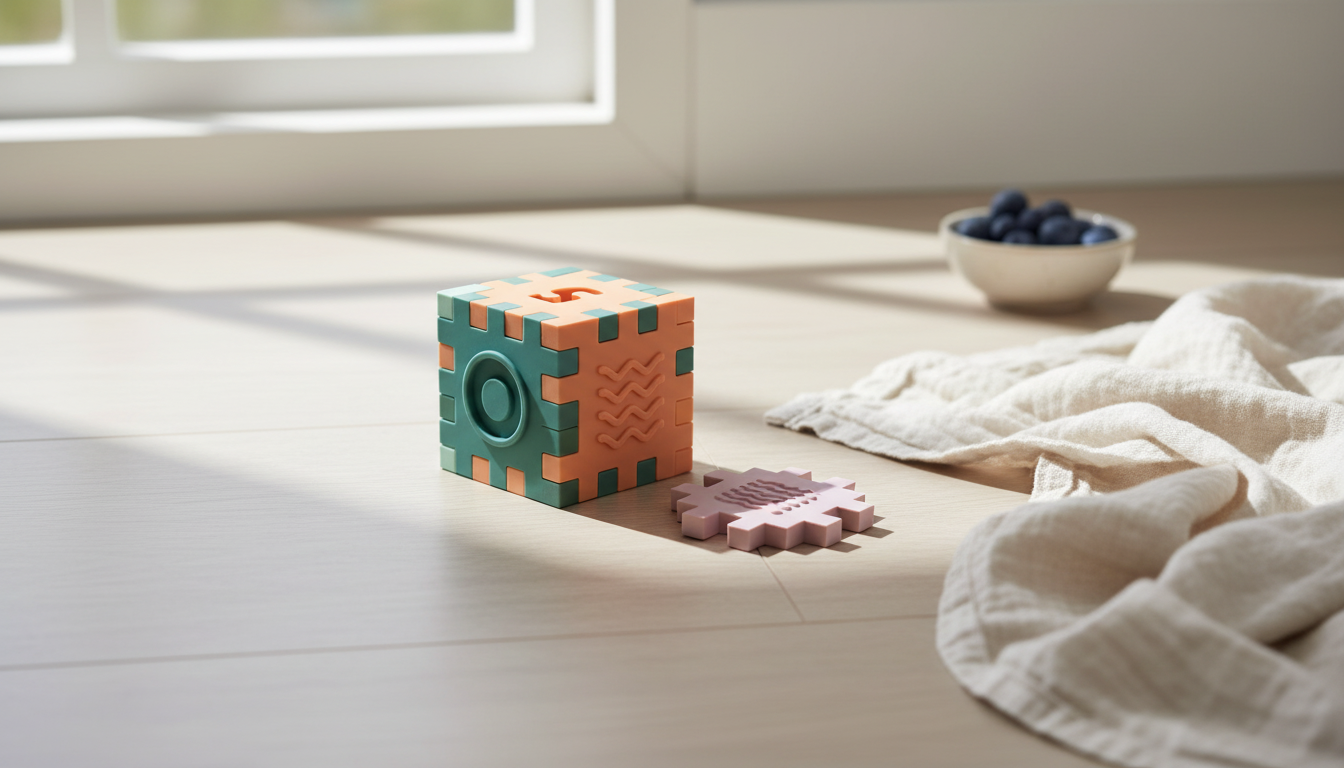
Silicone Baby Teething Cube Montessori Learning Toy for Toddlers: A Practical Guide for Parents
A silicone teething cube can do double duty: soothing sore gums while giving babies and toddlers a simple, hands-on way to explore texture, grip, and cause-and-effect. When the design is easy to hold and the silicone is clearly labeled for safety, a cube-style teether becomes a practical everyday item—useful at home, in the stroller, or during long waits. For more guidance, see Sensory Toys for Toddlers ✔️ BEST Of 2023 | FindMyKids Blog.
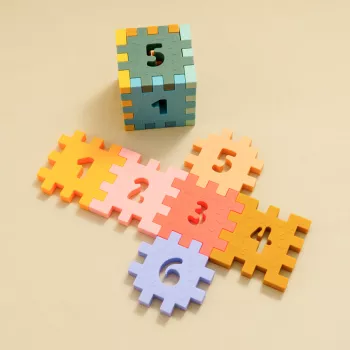
If you’re shopping for a compact option, the Silicone Baby Teething Cube Montessori Learning Toy for Toddlers is designed to be rotated, mouthed, and manipulated from different angles, which is especially helpful when babies fixate on corners or edges. For further reading, see The 7 Best Teething Toys of 2023 – WonderBaby.org.
What a Silicone Teething Cube Helps With
- Teething relief: chewable, textured surfaces can help massage gums during sore phases.
- Early sensory exploration: babies learn through touch and pressure—ridges, bumps, and edges offer different feedback.
- Fine-motor practice: grasping, transferring hand-to-hand, turning, and controlled mouthing all build coordination.
- Cause-and-effect learning: repeating the same action (turning, pushing against gums, rotating) builds early understanding of “if I do this, I feel that.”
- Independent play moments: Montessori-style, child-led exploration often starts with safe, simple objects that a baby can fully control.
Who It’s Best For (Age and Stage)
- Early teething babies: many start bringing objects to the mouth somewhere around 3–12 months (child dependent), but readiness matters more than a number.
- Toddlers who seek sensory input: some toddlers enjoy a fidget-like item for brief calm-down moments and hand strengthening.
- Parents who need a compact option: easy to toss into a diaper bag for car rides, stroller time, or waiting rooms.
- Babies practicing grasp: supports the shift from a palmar grasp toward more controlled finger use as skills mature.
If your baby prefers a different grip style (more like a training toy than a cube), consider an alternate shape such as the Baby Silicone Teether Toy – BPA Free, Montessori Training & Sensory Activity Toy as a backup or rotation option.
Key Features to Check Before Buying
- Material clarity: look for food-grade silicone with straightforward labeling (including BPA-free claims). For background on BPA in food-contact materials, see the U.S. Food & Drug Administration BPA information.
- Construction: one-piece designs are typically simpler to clean and have fewer failure points than multi-piece toys.
- Texture variety: ridges, bumps, and edges can offer different gum pressure—useful when baby “rejects” a flat or overly smooth teether.
- Size and shape: easy to hold with small hands, but not small enough to become a choking risk. It’s worth reviewing general guidance on choking hazards when choosing any baby item.
- Cleaning method: dishwasher-safe (if specified) or easy hand-wash design with minimal crevices.
- Durability: silicone should resist tearing and avoid becoming sticky over time with normal use and washing.
Safety and Hygiene Basics
- Inspect before each use: discard if torn, cracked, or if any piece loosens.
- Wash regularly: warm soapy water and thorough rinsing are the default; follow the product’s care directions for heat limits and drying.
- Avoid cords around the neck: don’t tie teethers to strings; if you use a clip, choose one designed for babies and keep it short and supervised.
- Supervise chewing: especially when baby is very tired or using a teether for the first few times.
- Rotate teethers: keeping one clean and fully dry between uses helps with day-to-day hygiene.
Everyday Play Ideas (Montessori-Inspired)
- Offer-and-observe: place the cube within reach while baby is seated securely; let them choose how to explore it.
- Slow transfer: encourage passing from one hand to the other—pause and wait rather than “coaching” every move.
- Texture naming: use simple words like “bumpy,” “smooth,” and “ridged” to add low-pressure language exposure.
- Cold soothe (if appropriate): briefly chilling a teether (not freezing solid) can add comfort if the care guidance allows and your baby tolerates it.
- Container play: place the cube in a small bowl or fabric basket and model gentle in-and-out motions for early coordination practice.
Quick Comparison of Similar Options
| Option | Best for | Notable strengths | Consider if |
|---|---|---|---|
| Silicone Baby Teething Cube Montessori Learning Toy for Toddlers | Babies who like corners/edges; multi-angle chewing | Compact, textured, easy to hold and rotate | You want an all-in-one chew + sensory toy |
| Baby Silicone Teether Toy – BPA Free, Montessori Training & Sensory Activity Toy | Babies who prefer a different grip profile | Sensory activity focus with Montessori-style handling | You want an alternate shape or backup teether |
How to Use It Comfortably During Teething
Teething can also disrupt sleep routines; if you’re navigating bigger transitions at the same time, the Time to Move Beyond the Crib Guide | When Should Toddler Stop Sleeping in Crib can help you think through timing and comfort strategies. And when you need practical encouragement and planning tools, Building a Parent Support System That Works | Ebook Guide for the Best Way to Build Parent Support System is a useful companion for daily parenting logistics.
FAQ
How do you clean a silicone teething cube?
Wash it with warm soapy water, rinse thoroughly, and let it air-dry fully. Always follow the product’s care instructions, and routinely inspect for tears or trapped residue before offering it again.
Can a baby sleep with a teething toy?
It’s best to offer teethers during awake, supervised time and remove them from the sleep space. Following safe sleep guidance helps reduce risks while still letting baby get soothing relief during the day.
What age can babies use a silicone teether?
Age varies by development, so use readiness signs: bringing objects to the mouth, grasping, and tolerating supervised mouthing. Check the product’s age labeling and supervise closely, especially during early use.









Leave a comment